The Experience Behind the Experience
The Experience Behind the Experience: Why Systems Make Personalization Possible
As the Operations Director at Muse, I spend a lot of time thinking about the things our patients never actually see—the internal workflows, the hidden processes, the invisible systems, and the constant micro-adjustments we make to improve our clinic every single day.
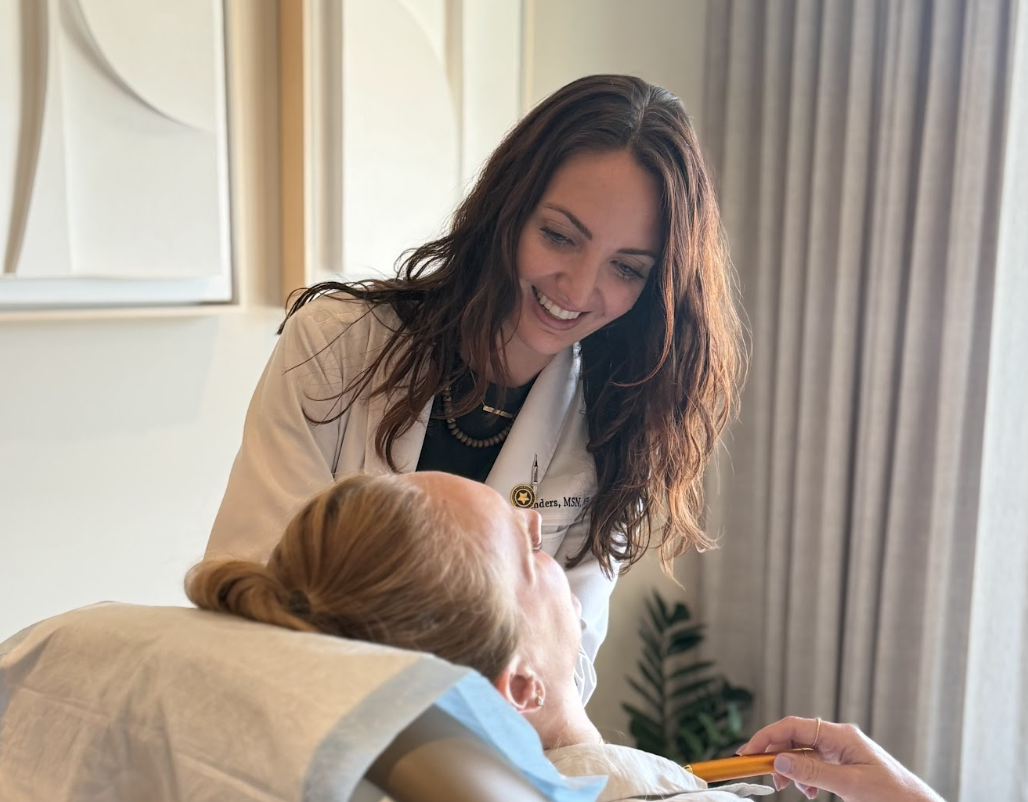
Long before anyone walks through our doors, the day is already in motion. Treatment histories have been meticulously reviewed, clinical notes are prepared, and procedural trays are stocked. Throughout the clinic, our team is communicating behind the scenes to ensure you move seamlessly from check-in to clinical photography, then to treatment, and finally to checkout. Even the smallest details from your previous visit—a preferred comfort option, a unique parking situation, or a personal detail you happened to mention—are carefully documented so they never get lost in the shuffle.
Most patients never notice any of this. And honestly, that is entirely the point.
Intentionality by Design
Everything you experience at Muse is intentional. It does not happen by accident, and it does not rely on instinct alone; it happens by design. I have come to believe that the more rigorous and intentional the systems are behind the scenes, the more effortless and serene the experience feels on the other side. The logistical labor that goes into a single appointment shouldn’t be visible to the patient—it should simply be felt.
It may seem counterintuitive, but rigid systems do not make medical care less personal. In fact, they are the exact infrastructure that makes deep personalization possible.
When our team isn’t burning mental energy tracking whether a step was forgotten, an item was overlooked, or a chart wasn't updated, they can give 100% of their presence to the person sitting in front of them. That is when our providers have the cognitive bandwidth to listen just a little longer, sit comfortably with someone who has complex questions, or pick up on a concern that needs closer attention. The system handles the infrastructure so the human can handle the moment.
The Architecture of Consistency
At Muse, we rely heavily on checklists, shared operational standards, strict protocols, and clear, cross-clinic communication. We don’t do this because our team can’t remember what needs to be done. We do it because we never want a patient's experience to depend on any single employee having a flawless day.
We also don't implement these systems because we want every single visit to feel identical or robotic. We implement them because we want every patient to feel equally cared for. Whether it is someone’s first appointment or their fifteenth, whether they are walking in incredibly nervous or entirely comfortable, the baseline of care and attention behind that visit must remain unshakeable.
It is a concept I come back to often with our staff: our clinic may see hundreds of patients in a single week, but an individual patient may only see us once every twelve weeks. From your perspective, every single visit is highly impactful, and you remember everything. That reality shouldn't place an unfair pressure on any one person to be perfect—instead, it is the exact reason our systems have to be perfect.
Growth Without Compromise
That predictability is what builds clinical trust. What keeps people returning to Muse isn't just the high-end results we achieve together on your skin health journey. It is the peace of mind that comes with knowing exactly what to expect the moment you step out of the Atlanta bustle and into our office. It is the feeling that nothing has slipped through the cracks, that you haven’t been forgotten, and that your experience today will be just as thoughtful as it was last time.
That feeling doesn't happen by chance. It is the direct result of a massive amount of quiet, unglamorous work happening before you ever pull into the parking lot.
As we have grown from a tight-knit team of six to a robust team of eighteen over the past two and a half years of my tenure, maintaining this consistency has become both more challenging and more vital. Scaling a business introduces immense complexity—more patients, more providers, more administrative staff, and significantly more moving parts. Strong, scalable systems are the anchors that keep our core experience from getting lost in that complexity.
Ultimately, that is what all of it—the checklists, the standards, and the work you will never see—is really for. We aren't chasing the myth of a flawless day; we are choosing the standard of a consistent one. We do it so that every single patient, on every single visit, feels exactly as safe, seen, and cared for as the last.